How Cities Hold Together
The dynamic interplay between crisis, governance, and everyday life in divided cities.
01
How does crisis reshape urban life?
02
How do cities govern division?
03
How do people shape cities from below?
How does crisis reshape urban Life?
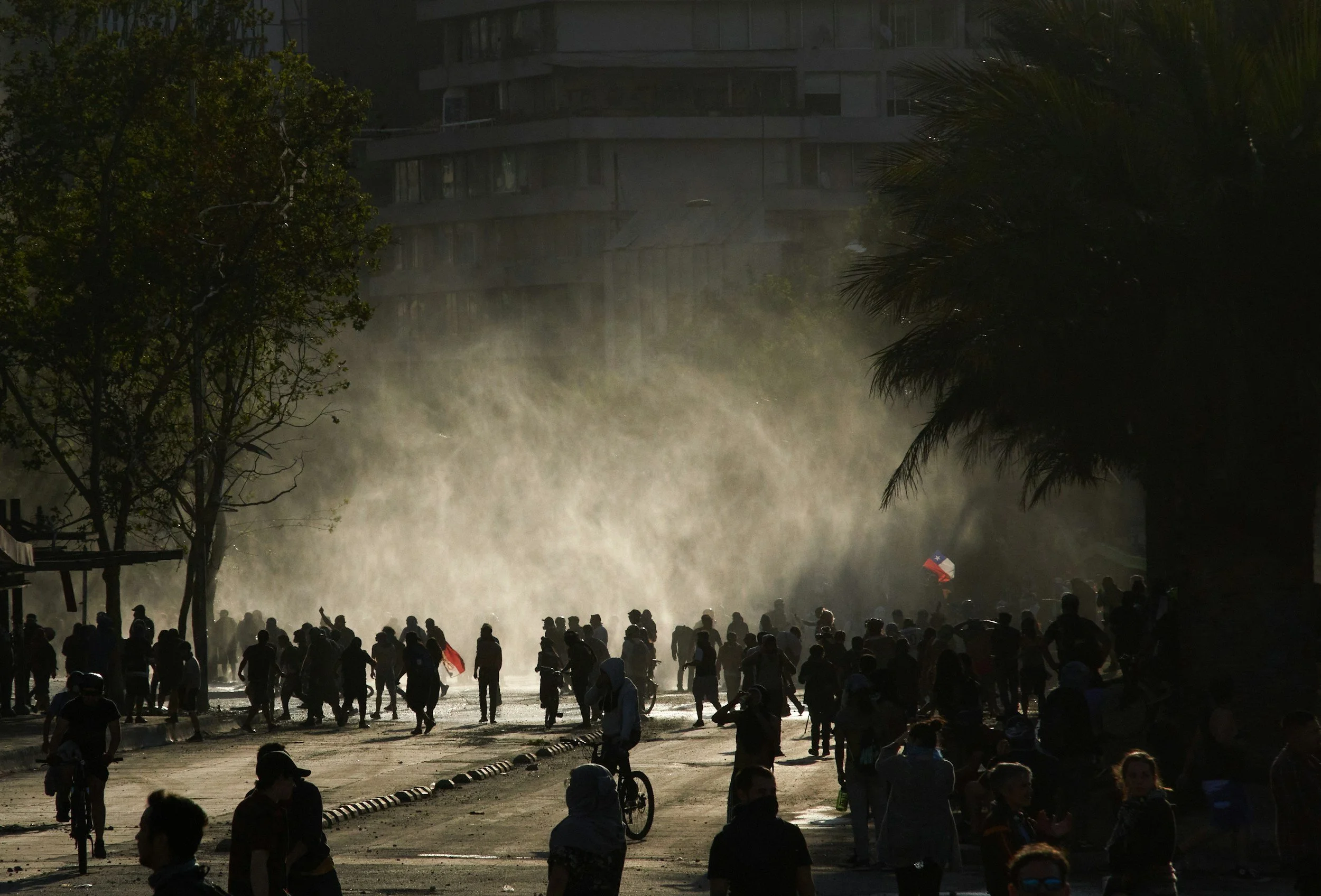
Cities are not only shaped by long-term divisions, but also by moments of rupture such as wars, violence, and sudden disruptions that unsettle everyday life. Rather than producing uniform cohesion, crises reconfigure urban societies in uneven and often paradoxical ways. My research shows that crisis acts as a structuring force, reshaping patterns of identity, participation, and social interaction across urban populations. Drawing on diverse qualitative and quantitative data, I examine how moments and processes of acute stress transform the relationship between residents, communities, and institutions, revealing dynamics that remain latent under routine conditions.
Relevant Papers
Brenner, N., & Perez-Benhaim, A. (2026) “We Are the State”: Does Crisis Activate Urban Citizenship? (Urban Studies)
Maymon-Shaham, G., Brenner, N., Yaacov, P., & Miodownik, D. (2024) Urban Identity vs. National Identity in the Global City (European Journal of Political Research)
Brenner, N., & Miodownik, D. (2025) Identities, Participation and the Immigration Crisis in the City (Cities)
Brenner, N., Miodownik, D., & Shenhav, S. (2024) Leadership Repertoire and Political Engagement in a Divided City (Urban Studies)
Faibish, N., Brenner, N., & Miodownik, D. (2024) Third Space and Contact in a Divided City (Peacebuilding)
How do cities govern division?
If crisis reshapes urban societies, the question that follows is how cities stabilize and manage the resulting tensions. My research focuses on divided cities, contexts in which social cleavages are embedded in everyday life, and examines how governance operates under conditions of persistent fragmentation. Rather than treating division as a constraint on governance, I conceptualize it as a condition within which governance is continuously negotiated. This perspective shifts attention from institutional design alone to the practices through which authority, legitimacy, and coordination are sustained in contested environments.

Relevant Papers
Brenner, N., Avni, N., Rosen, G., & Miodownik, D. (2026) Flexible Compliance: Utility and Legitimacy in Jerusalem (Territory, Politics, Governance)
Brenner, N. (2026) Beyond Contact: Social Cohesion and Municipal Legitimacy in Times of Crisis. (Administration & Society)
Avni, N., Brenner, N., Miodownik, D., & Rosen, G. (2022) Limited Urban Citizenship: The Case of Community Councils in East Jerusalem (Urban Geography)
Brenner, N. (2025) Community Safety: Why in Jerusalem? And Why Now? (Jerusalem Institute for Policy Research, Hebrew)
Brenner, N. (2025) Bonding or Bridging: Community Leadership in Divided Cities (Jerusalem Institute for Policy Research, Hebrew)
Brenner N. (2026) Change from below? Community Leadership in Jerusalem (Jerusalem Institute for Policy Research, Hebrew)
How do people shape cities from below?
Beyond institutional arrangements, cities are continuously shaped by the actions and interpretations of their residents. Especially in contexts of division and crisis, governance is not only exercised from above but co-produced through everyday practices of participation, leadership, and knowledge creation. My research examines how individuals and communities actively shape urban life from below? how they interpret their environment, mobilize around shared concerns, and contribute to the production of social order. Within this agenda, I also develop new methodological approaches to involve residents directly in research and knowledge production.

Relevant Papers
Lehrs, L., Brenner, N., Avni, N., & Miodownik, D. (2023) Seeing Peace Like a City: Local Visions and Diplomatic Proposals for Future Solutions (Peacebuilding)
Brenner, N., Kubler, T., & Nassar, T. (2023) Challenging the Linear Model of Peacebuilding Planning (Journal of Peacebuilding & Development)
Brenner, N. (2024) Liminal Logic: Peacebuilding and Photovoice in Jerusalem (Geoforum)
Brenner, N. (2026) Owning the Data, Owning the Agenda: Citizen Science as a Participatory Governance Tool (SINAPPSI)
Brenner, N., Lan, D., & Tal, T. (under review) From Enjoyment to Engagement: Place-Based Citizen Science
Lan, D., Brenner, N. & Tal, T. (under review) One River, Multiple Ways to Sense of Place